



Picking the right preschool in East Africa might feel like one of the biggest decisions you'll make as a parent. And honestly? It is.
These early years shape everything. How your child learns, how they see themselves, and how they connect with the world around them all start here. Parents across Kenya, Uganda, Tanzania, and the whole region are becoming more aware of just how much quality early education matters.
The good news? You have more choices now than ever before. The challenging part? Figuring out which choice is actually right for your child.
Let us walk you through what really matters when choosing a preschool in East Africa.
Not all preschool programs are created equal. Some just babysit kids until they're old enough for primary school. Others actually prepare children for a lifetime of learning.
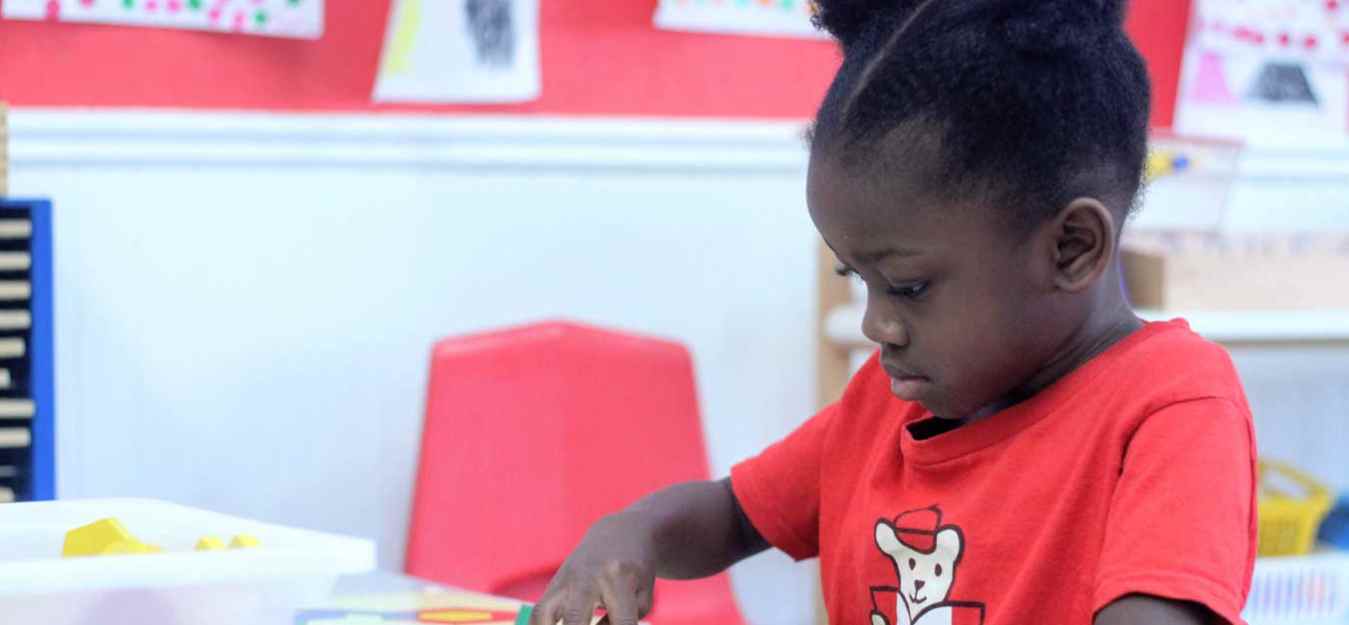
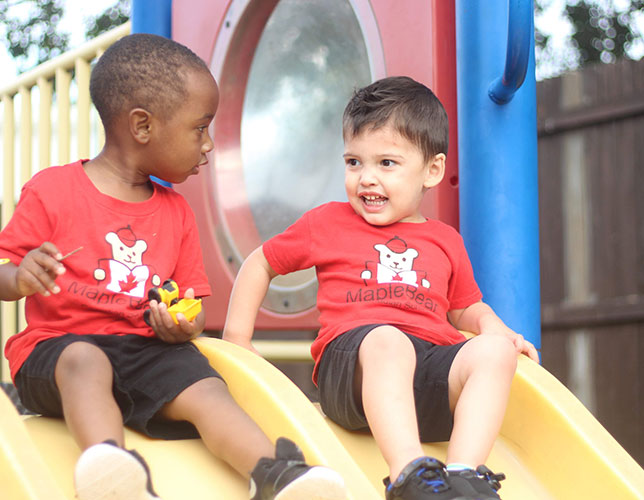
Look for preschools in East Africa that use play-based learning combined with proven international standards. Your child shouldn't spend hours sitting at tiny desks memorizing letters. They should be exploring, experimenting, and discovering.
Canadian early childhood education, for example, consistently ranks among the world's best because it balances structure with freedom. Kids learn through hands-on activities, creative play, and guided discovery.
Here's something many parents miss: teacher qualifications matter way more than fancy facilities.
A trained early childhood educator understands how three-year-olds and five-year-olds learn differently. They know when to step in and when to let kids figure things out themselves. They create environments where every child feels seen and supported.
Ask about teacher-to-child ratios too. One teacher managing 20 toddlers isn't giving anyone real attention. Quality preschools in East Africa keep classes small—usually 10–15 children per teacher for young learners.
Walk through any preschool in East Africa you're considering. Do the classrooms feel bright and welcoming? Is everything clean and well-maintained?
Check the basics: Are toys and materials age-appropriate? Do outdoor play areas have safe equipment? How secure is the entrance? What happens if a child gets sick or injured?
These details tell you a lot about how seriously a school takes their responsibility to your child.
Different schools follow different methods. Montessori, play-based, bilingual immersion—each has benefits.
For preschool education in East Africa, bilingual programs are becoming incredibly popular. Kids who learn in English and their local language from an early age develop amazing cognitive flexibility. They're not just learning two languages—they're learning to think in two different ways.
Think about what fits your child's personality. Some kids thrive with more structure. Others need lots of freedom to explore.
You're trusting these people with your child all day. You need to know what's happening.
Good preschools in East Africa communicate regularly with parents. Not just when there's a problem, but with updates on what your child is learning, how they're developing, and milestones they're reaching.
Ask about parent-teacher conferences, daily communication apps, and how easy it is to reach teachers with questions.
Let's be practical. You'll be doing drop-off and pick-up every single day. A preschool in East Africa that's 45 minutes away might sound perfect on paper, but that commute will wear you down fast.
Consider traffic patterns in Nairobi, Kampala, or wherever you're based. Is the location safe? Is parking available? Can you get there quickly if needed?
Quality early childhood education isn't cheap anywhere in the world. Trained teachers, proper materials, safe facilities—these things cost money.
But expensive doesn't automatically mean good. Ask what's included in fees. Some preschools in East Africa charge extra for meals, materials, field trips, and activities. Others bundle everything together.
The cheapest option usually cuts corners somewhere important. The most expensive might be paying for fancy facilities rather than quality teaching. Look for real value.
When you tour schools, pay attention to these things:
More parents in Kenya, Uganda, and across the region are choosing preschools in East Africa that follow international curricula. Why?
Global education standards like Canadian methodology have been refined through decades of research and practice. They're not experimental—they're proven systems that consistently produce excellent results.
These programs emphasize skills kids actually need: critical thinking, problem-solving, creativity, and communication. Not just memorization.
Plus, international preschool education in East Africa creates a smoother transition when children move to primary school. They're already comfortable with modern teaching methods.
Maple Bear East Africa has become a go-to choice for families across the region, especially in Nairobi.
The school brings Canadian educational excellence to East Africa. Canada's education system consistently ranks at the top globally, and their early childhood methods emphasize learning through play and discovery—exactly how young children's brains work best.
Maple Bear offers bilingual immersion programs where children learn naturally in English while maintaining their local language. This creates genuine bilingual fluency, not just basic English classes.
The teaching team includes educators trained specifically in Canadian methodology. These aren't just English speakers—they're professionals who understand child development deeply.
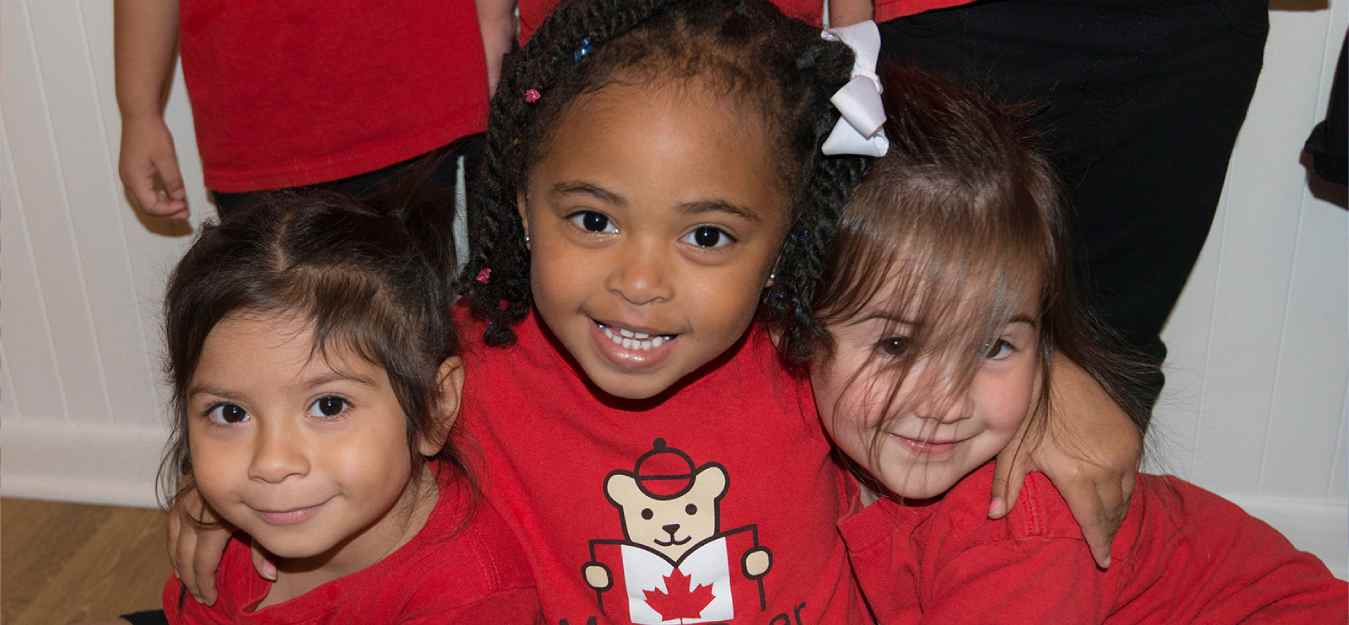
Parents often mention the nurturing environment at Maple Bear East Africa. Classes are small, teachers know each child individually, and the campus is designed with young learners in mind. Everything from classroom layout to outdoor spaces supports how children naturally explore and learn.
Safety is taken seriously with secure facilities, clear protocols, and staff trained to handle any situation. Parents can focus on work knowing their children are genuinely cared for.
Choosing a preschool in East Africa comes down to trusting your instincts while being informed.
Visit multiple schools. Watch classrooms in action rather than just touring empty rooms. Talk to other parents who already have children there—their real experiences matter more than any brochure.
Pay attention to how your child responds. Some children light up in busy, energetic environments. Others do better in quieter, more structured settings. The "best" preschool in East Africa is the one that fits your individual child.
These early years are an investment that pays back forever. Quality preschool education in East Africa builds confidence, develops social skills, creates a love of learning, and establishes patterns that shape your child's entire educational journey.
Take your time. Ask hard questions. Trust what you see, not just what you're told.
Ready to see what quality early childhood education looks like? Visit Maple Bear East Africa and experience Canadian methodology firsthand. Book a campus tour and watch children learning through play in a nurturing bilingual environment.